




Work Note
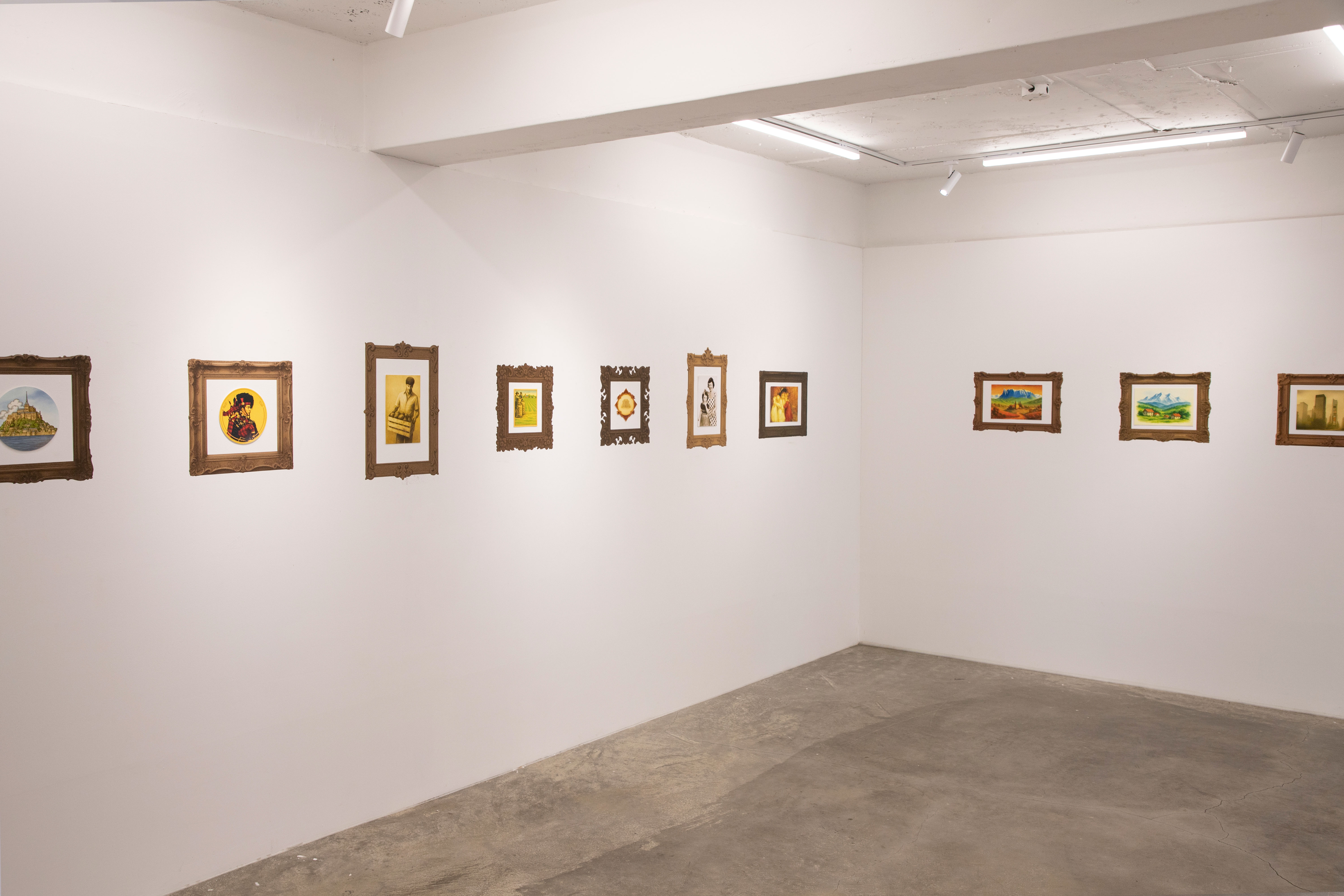
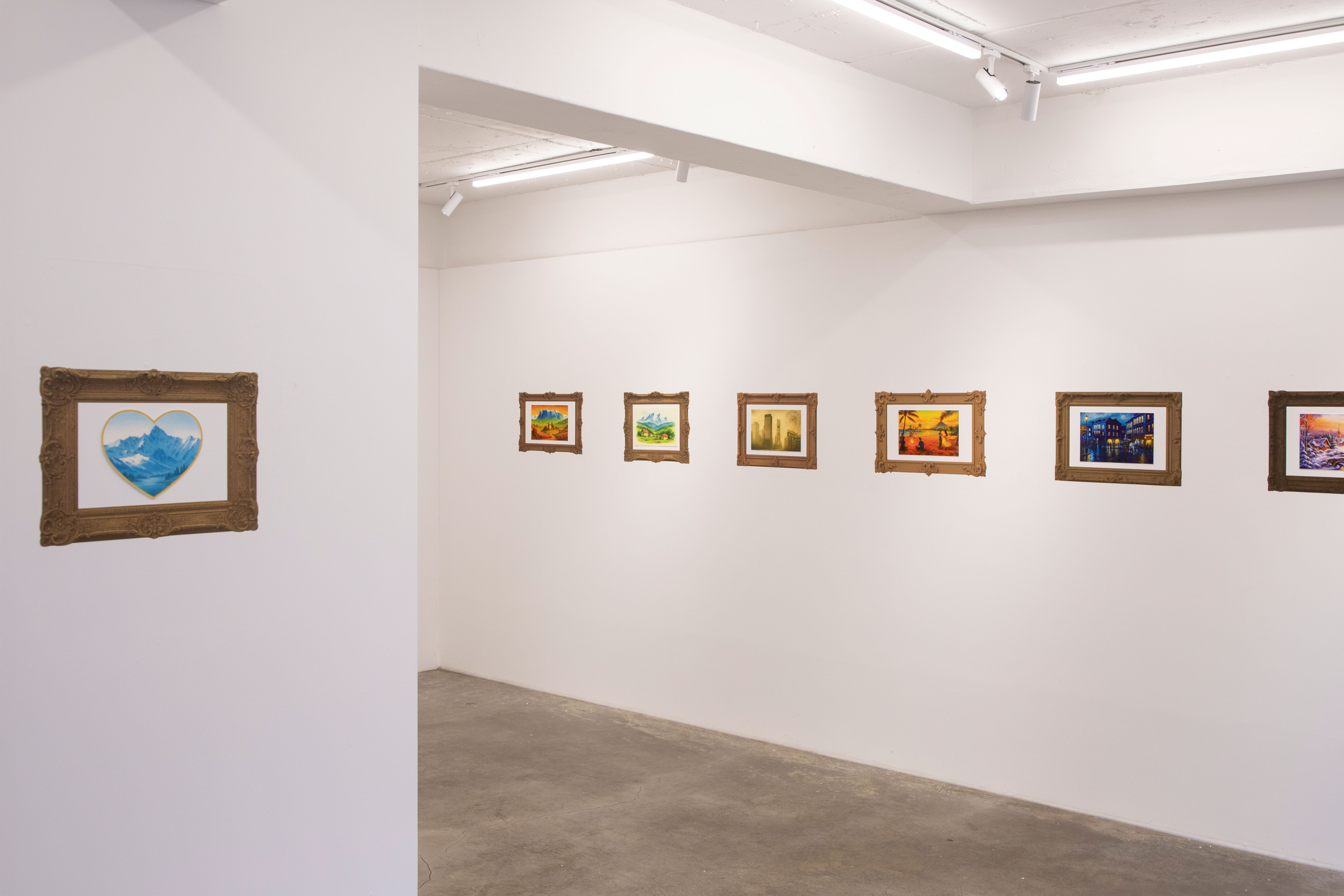
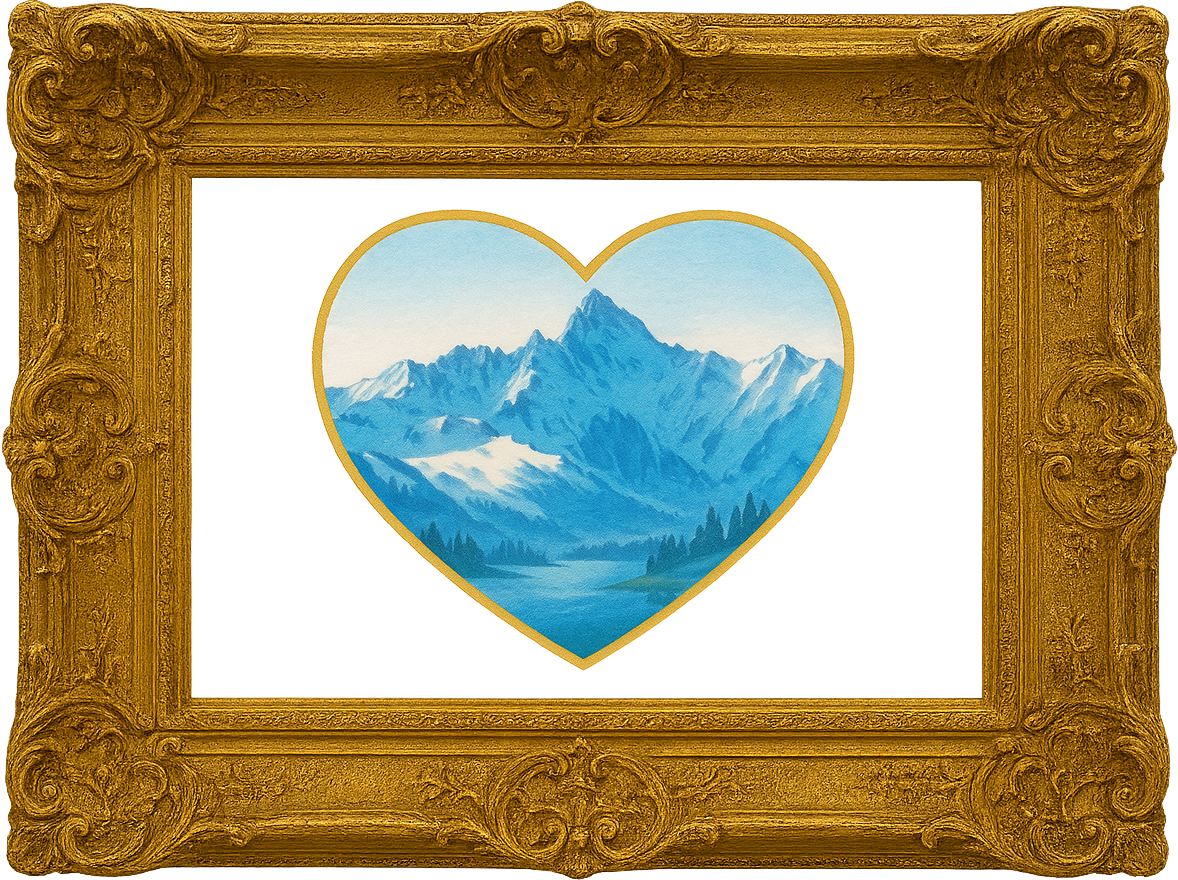
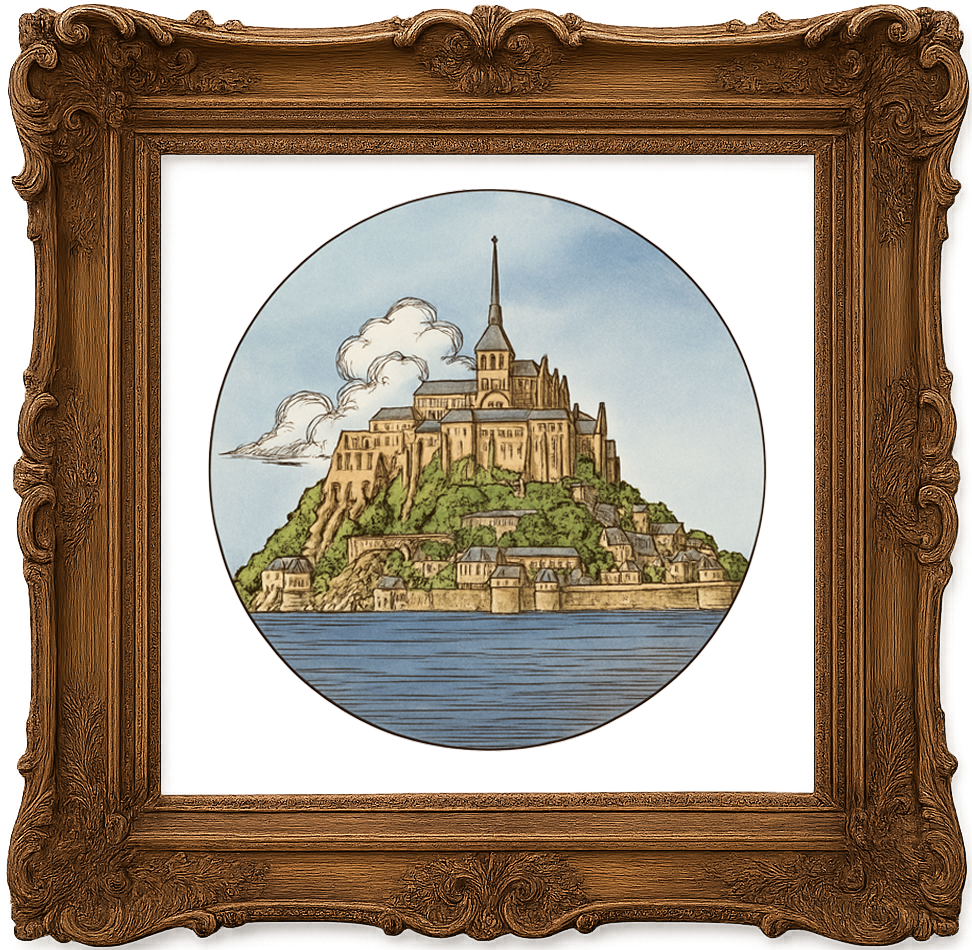
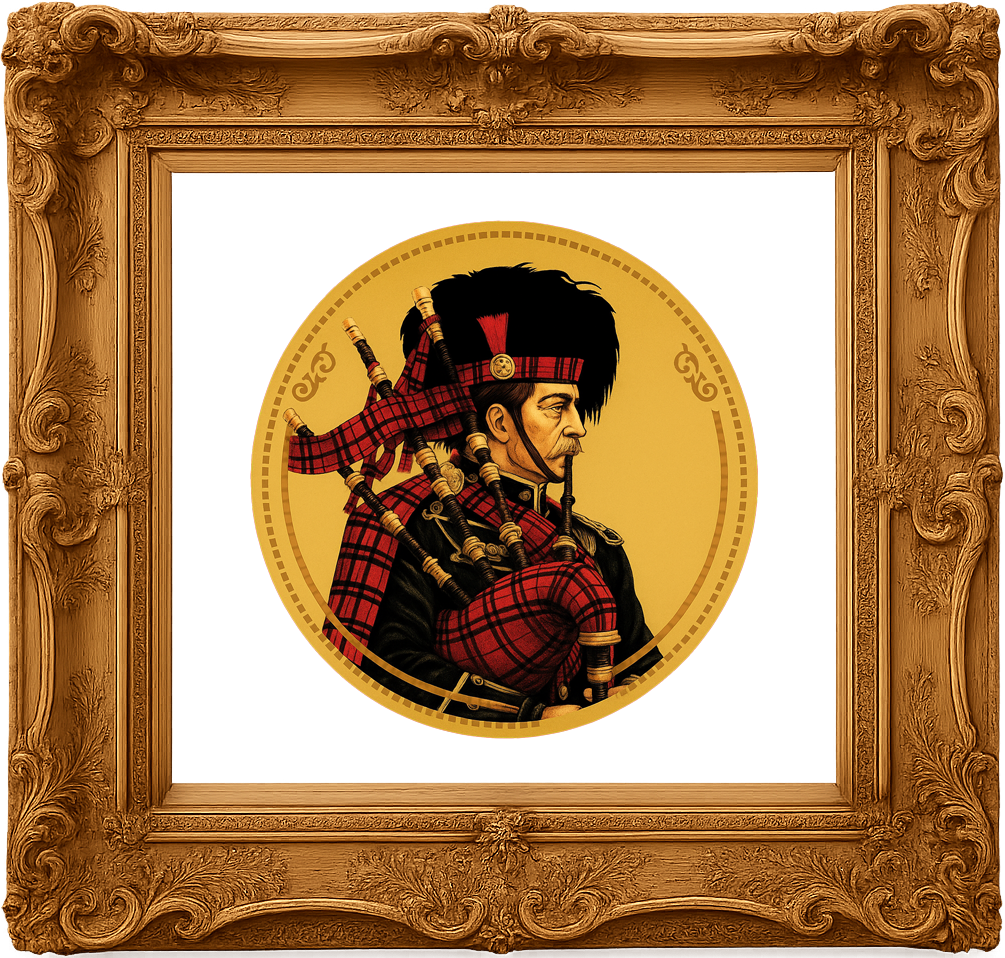
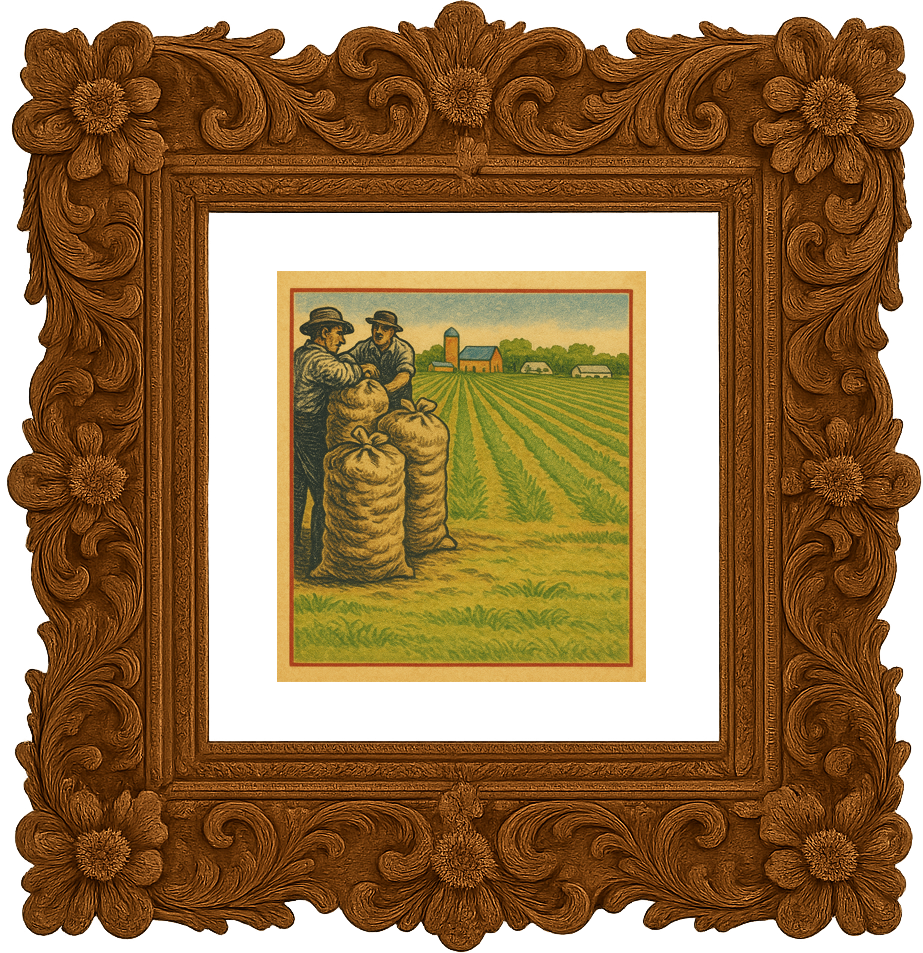
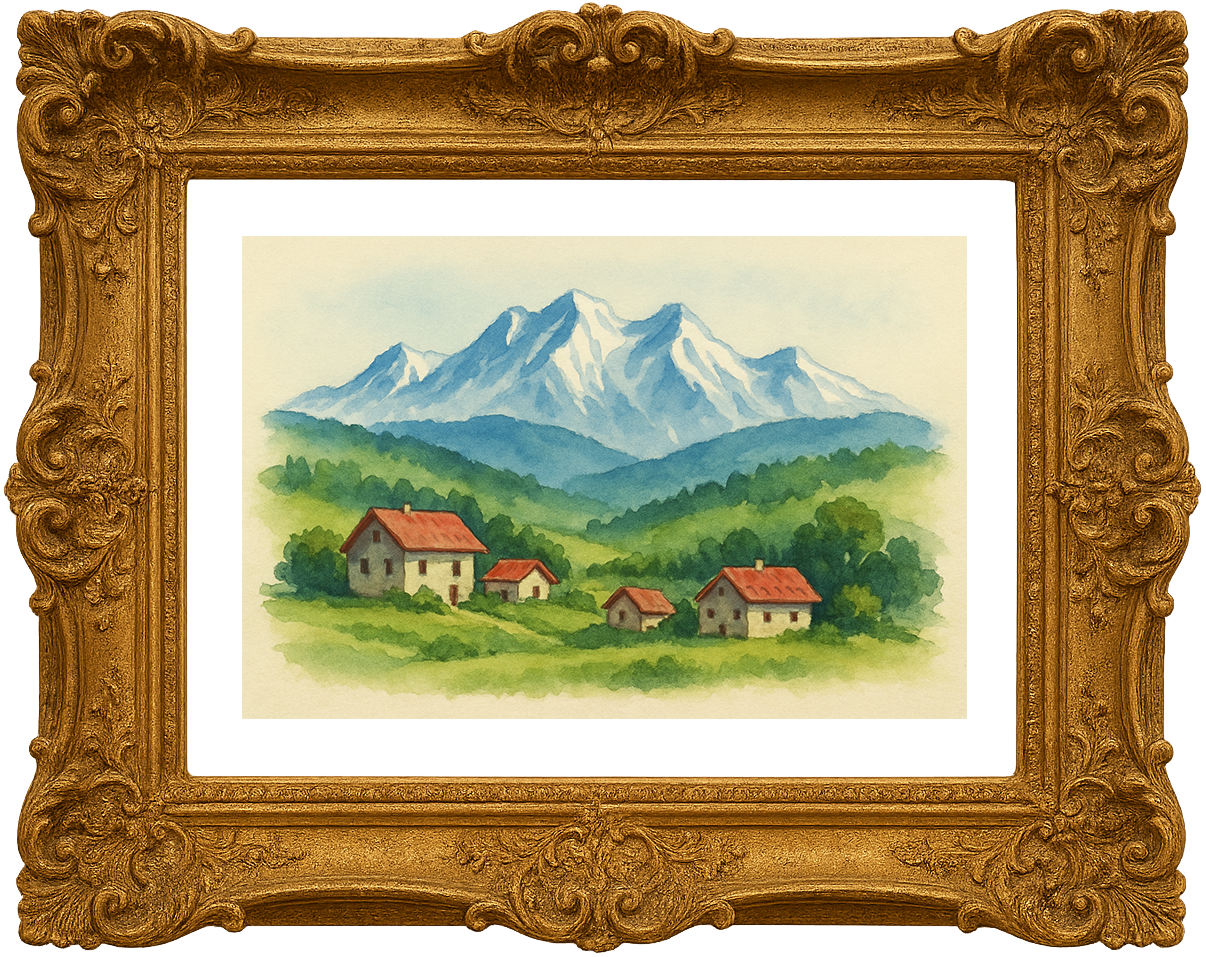
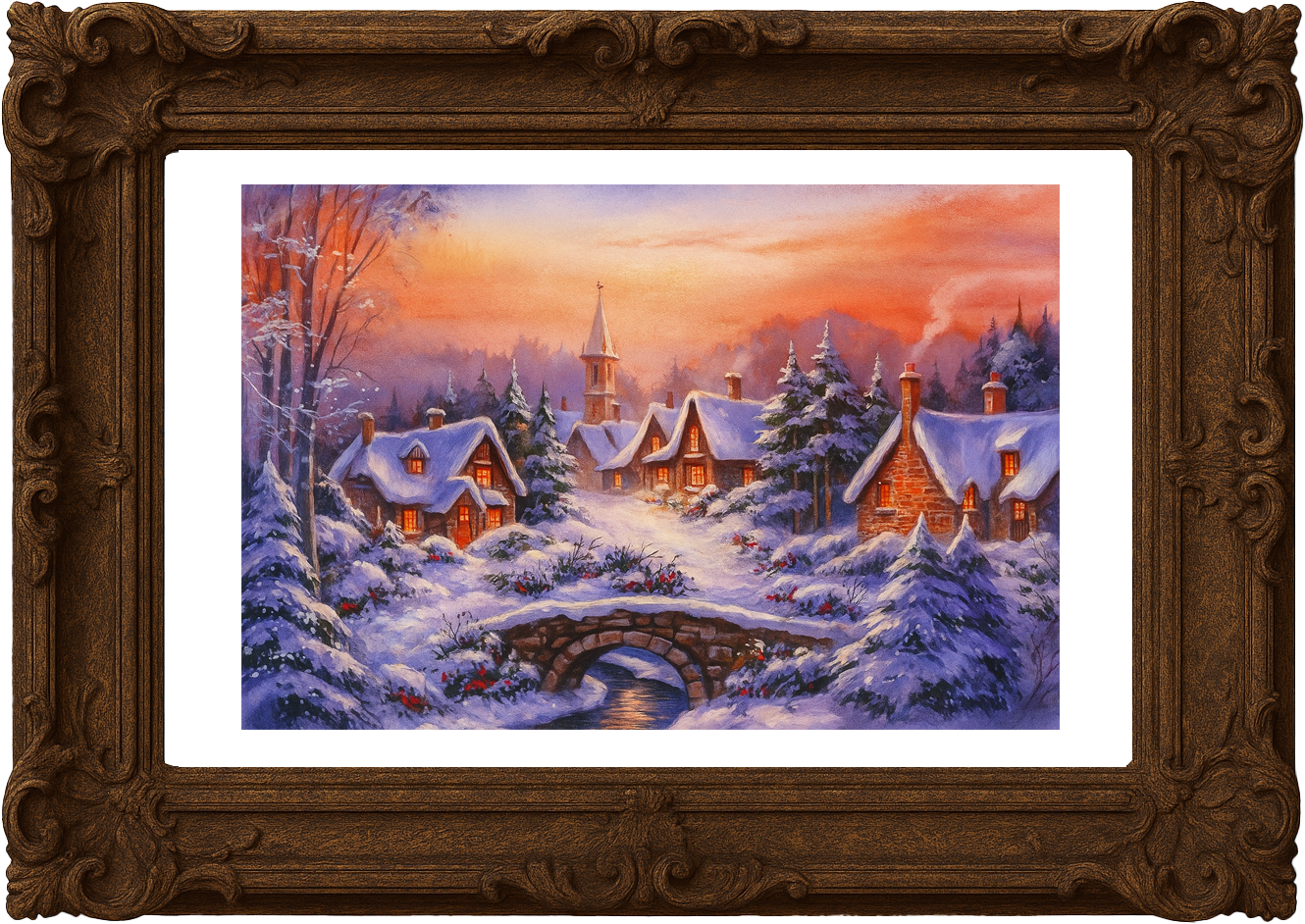
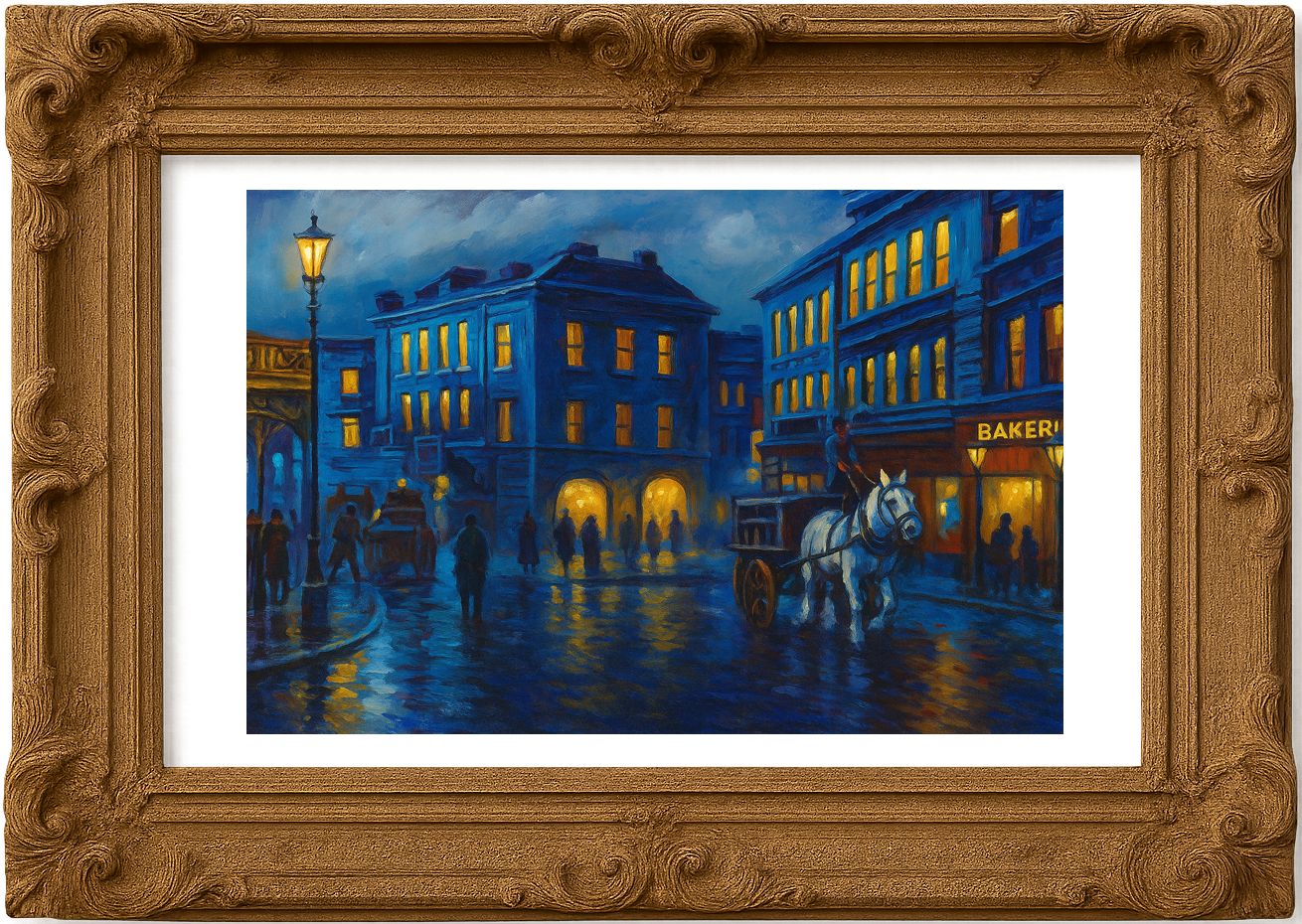
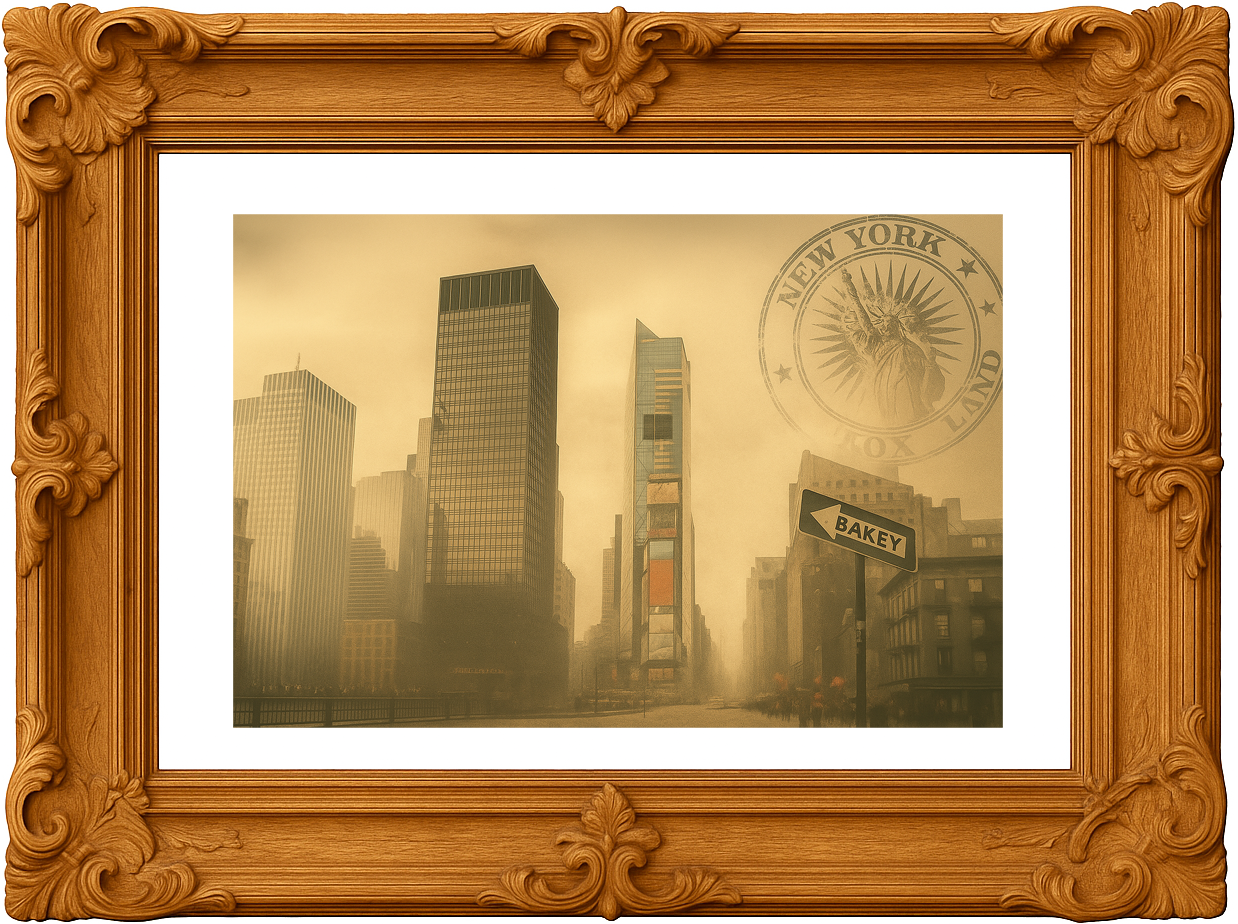
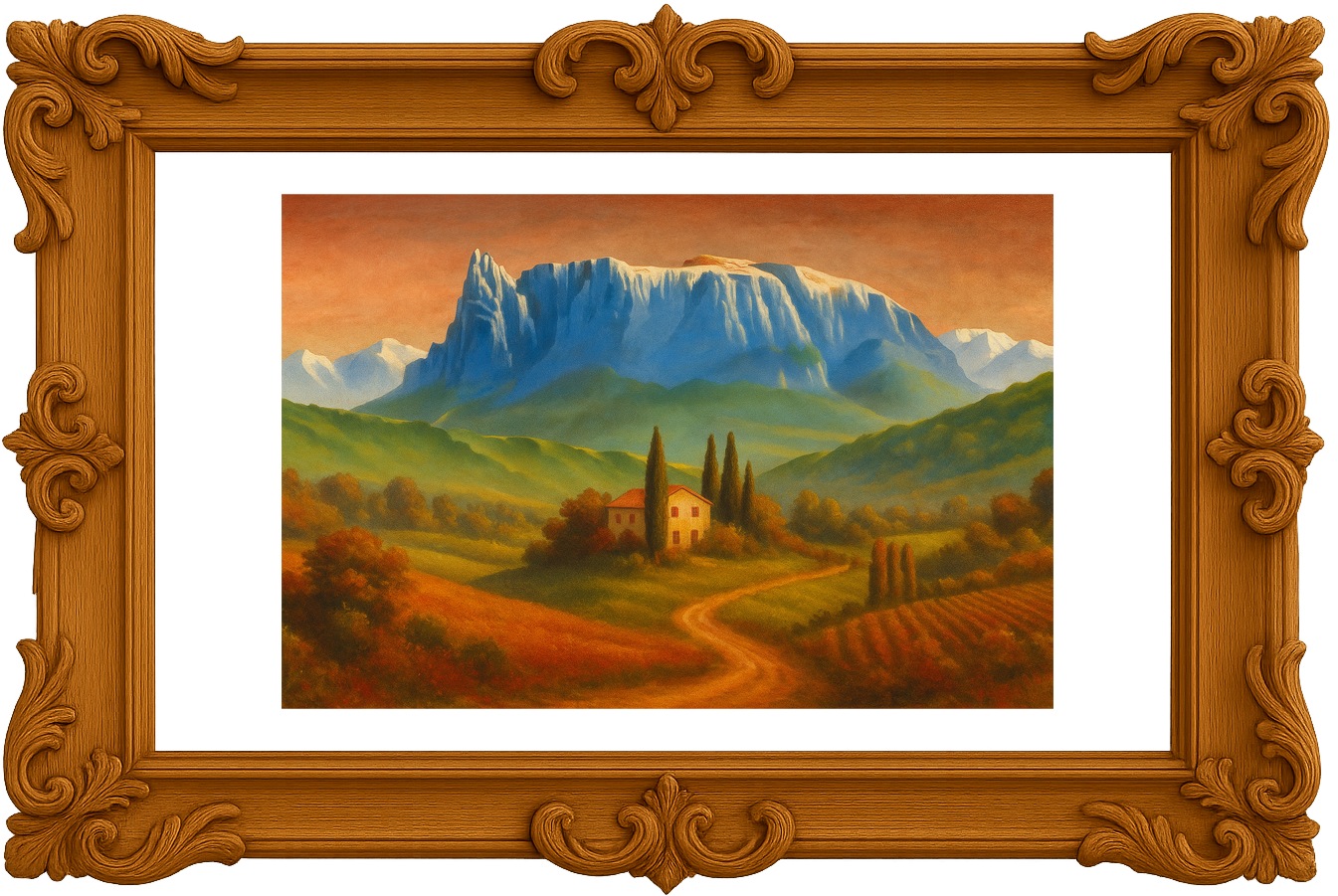
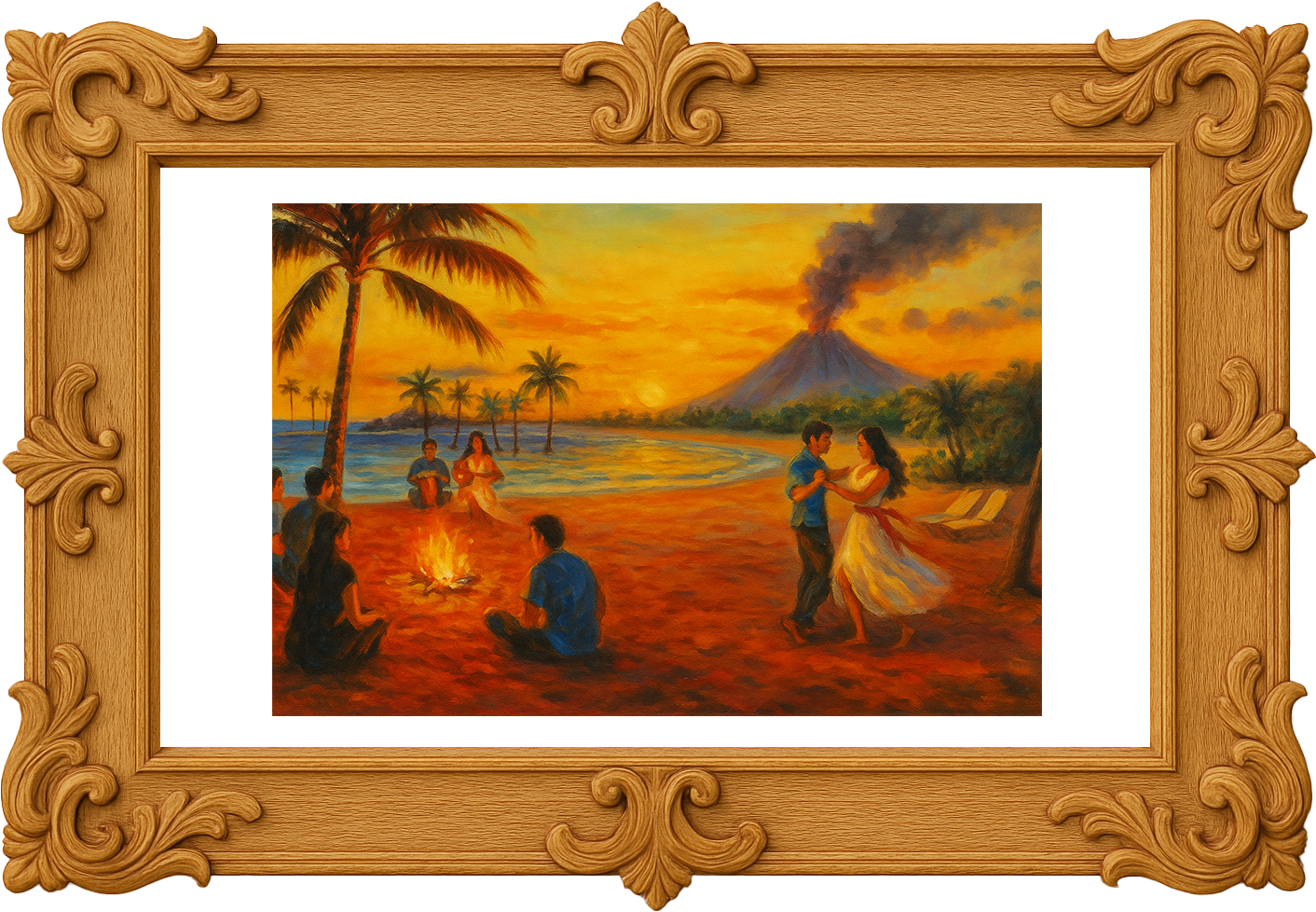
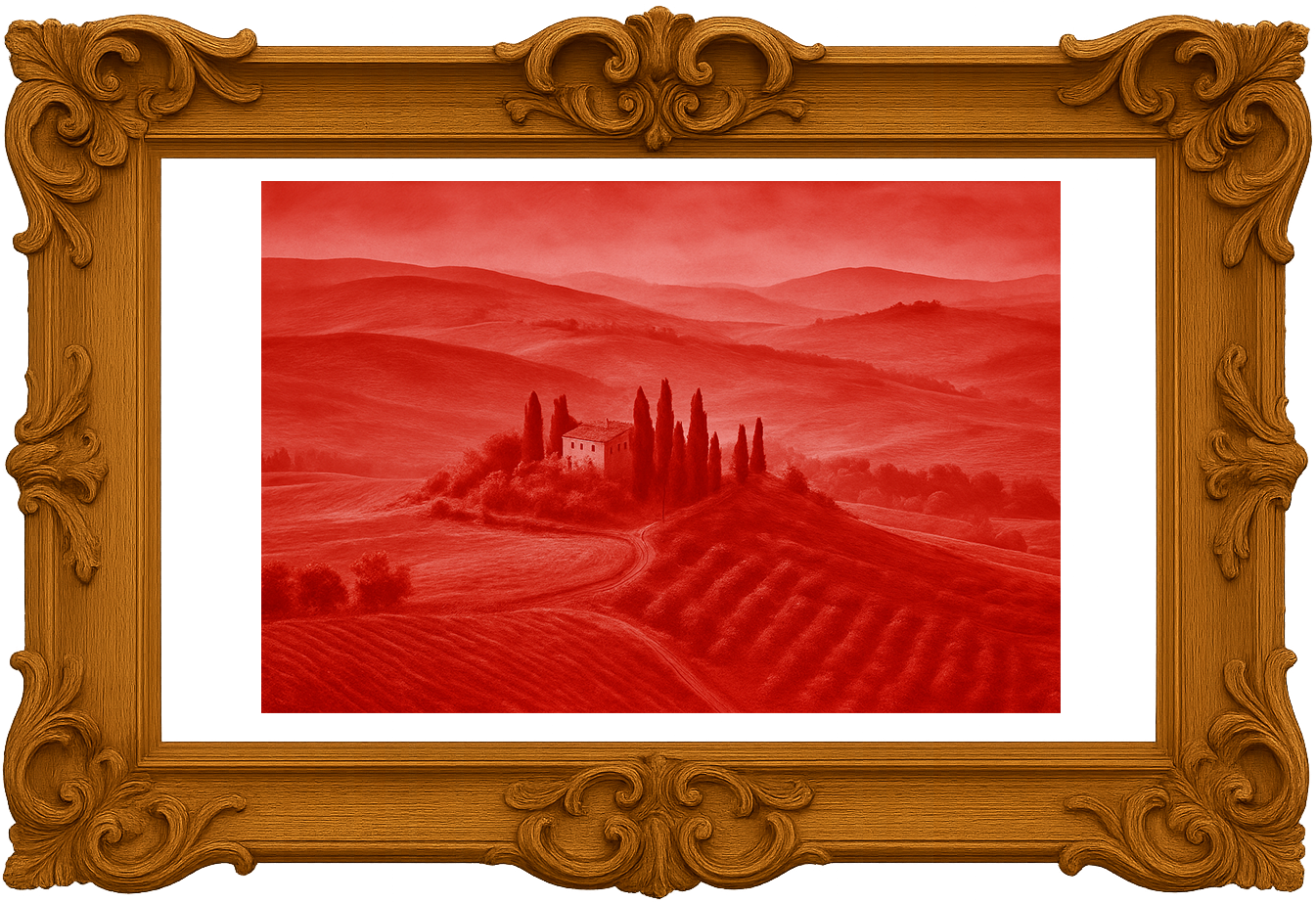
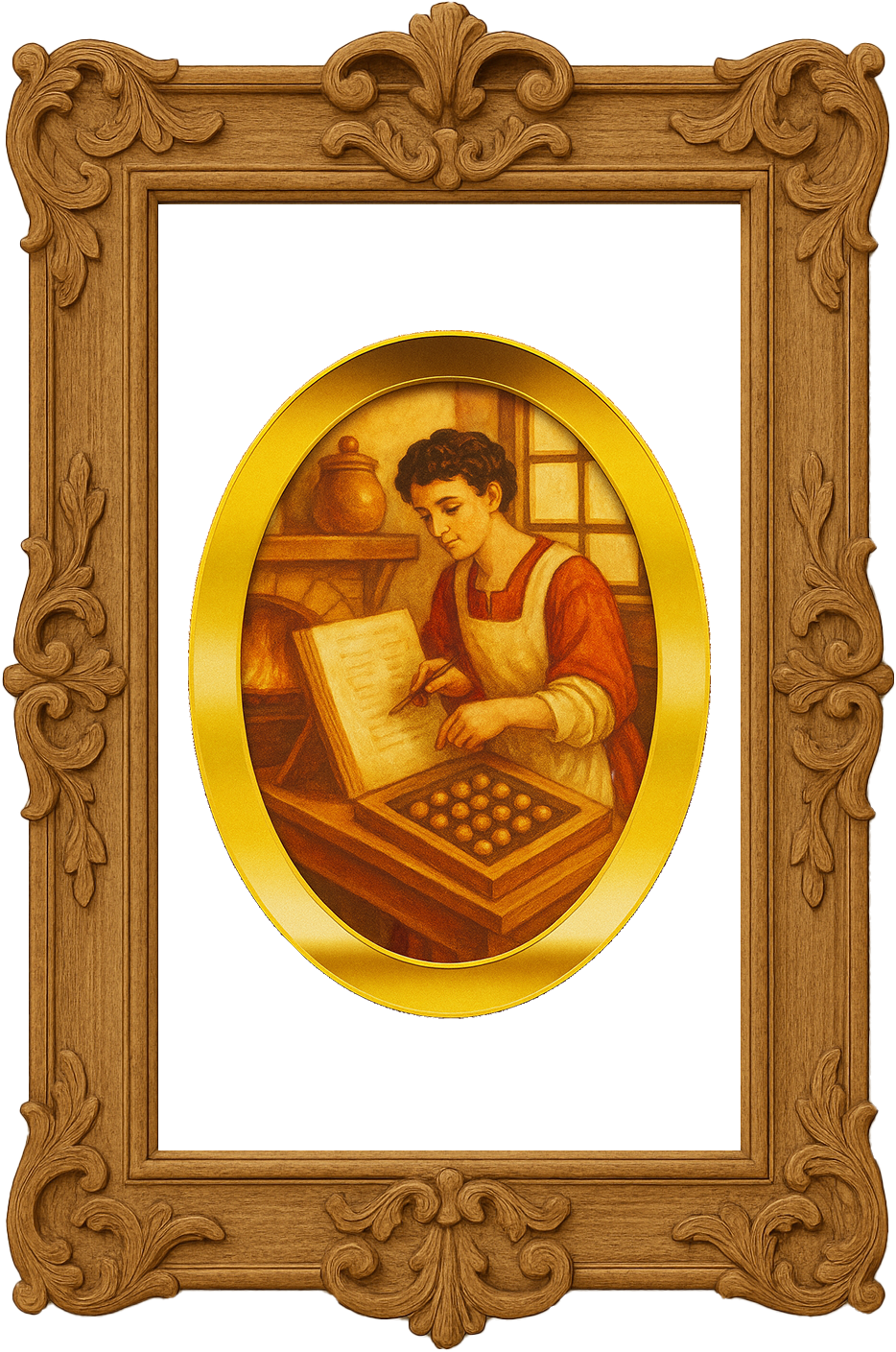
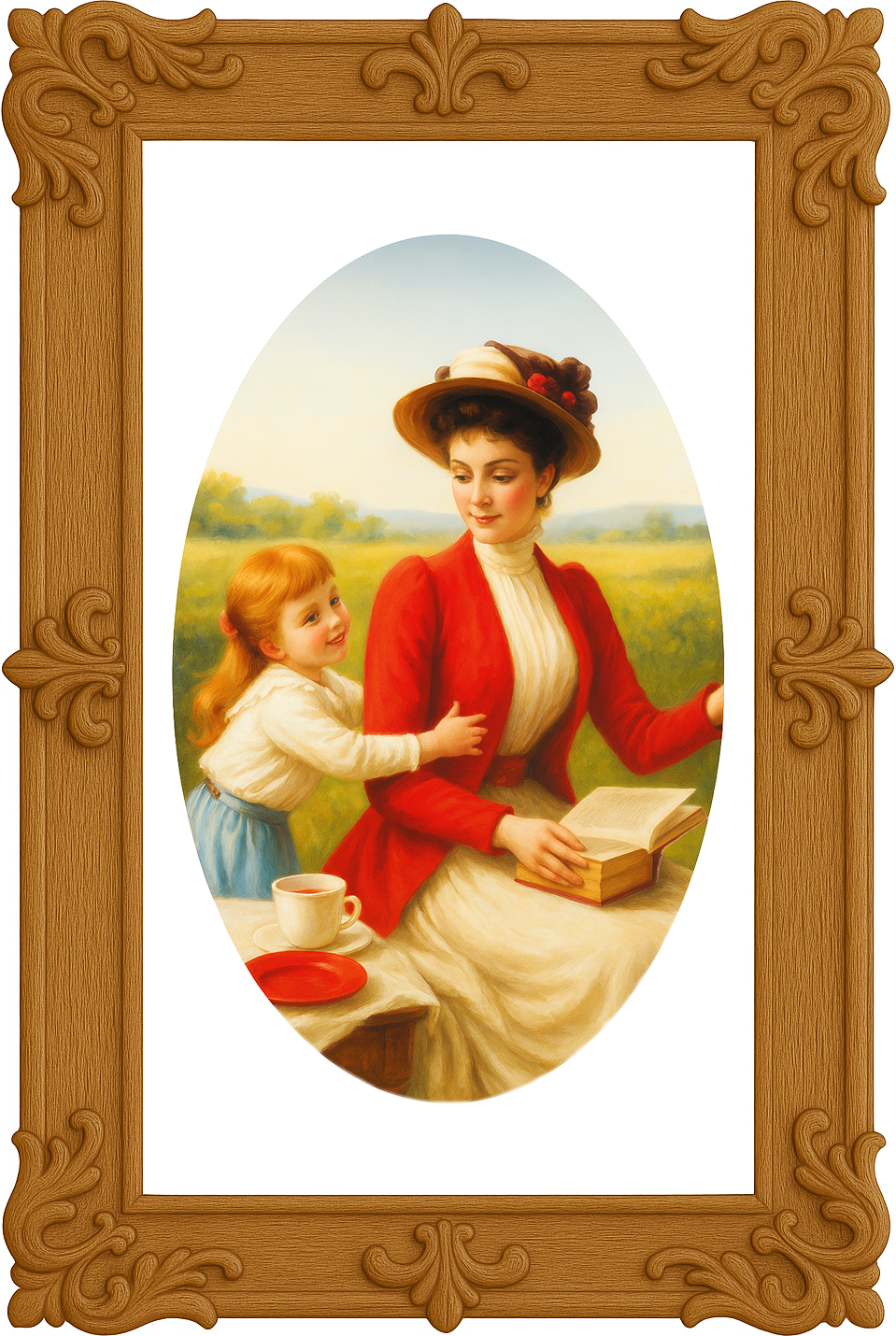
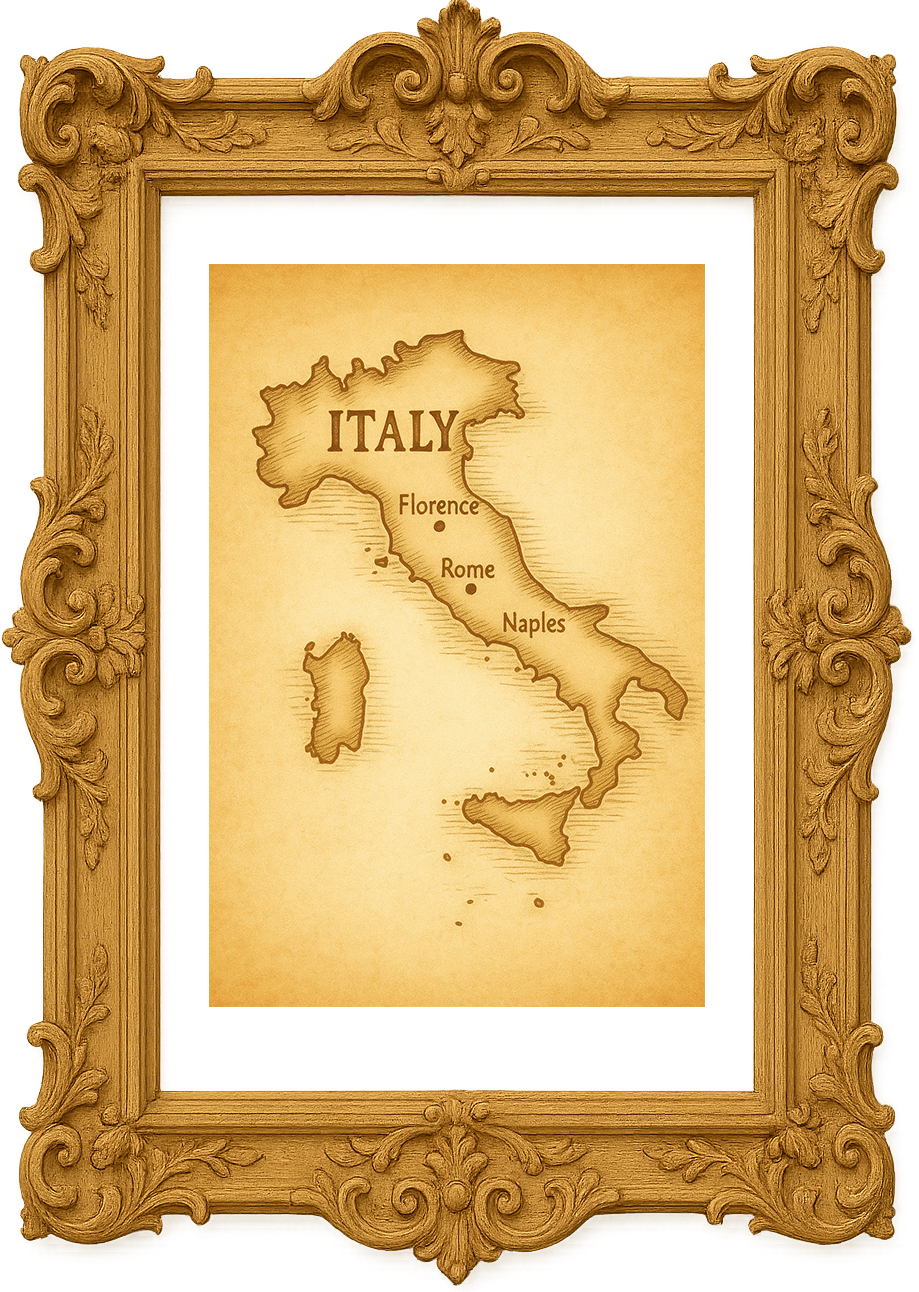
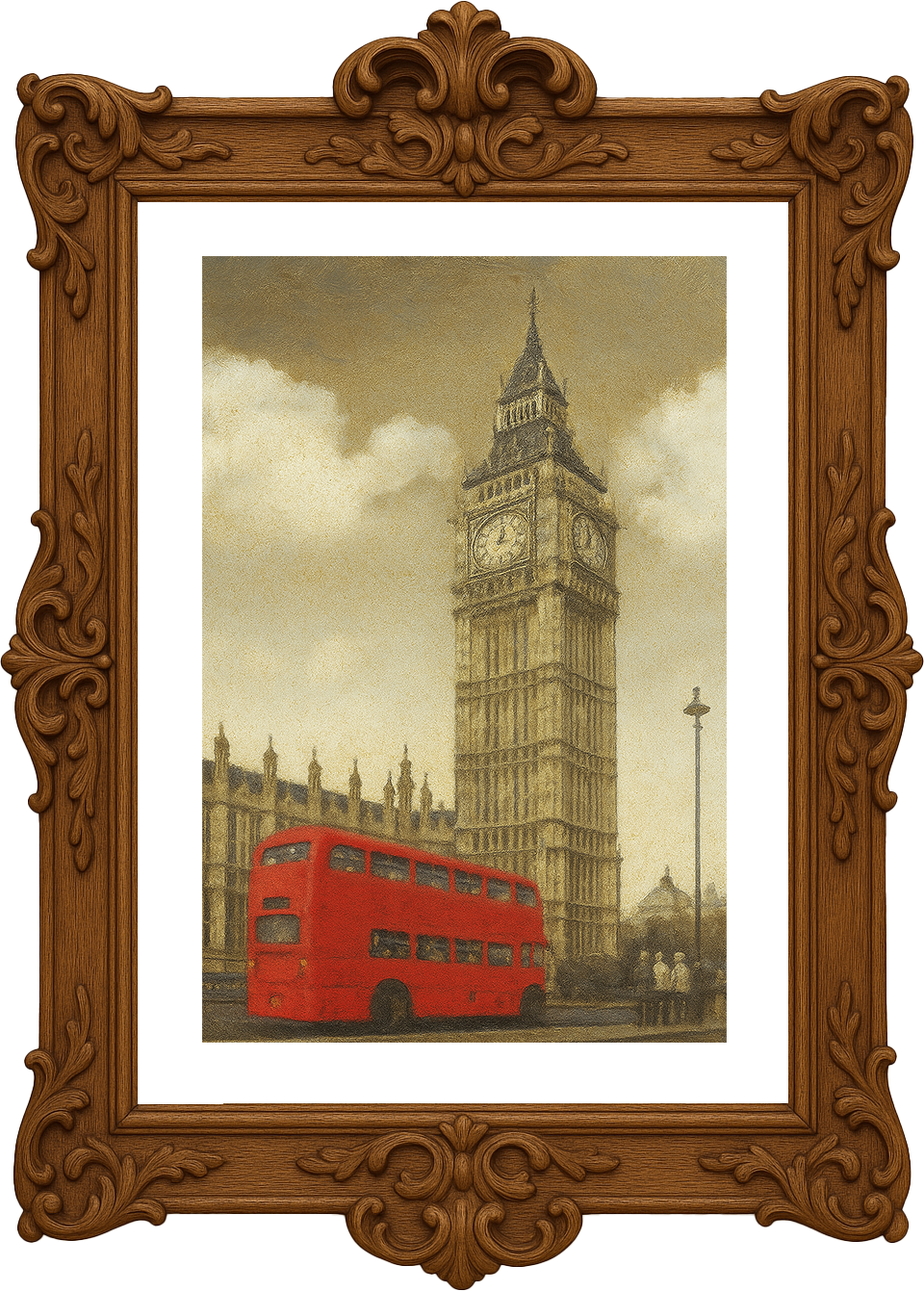
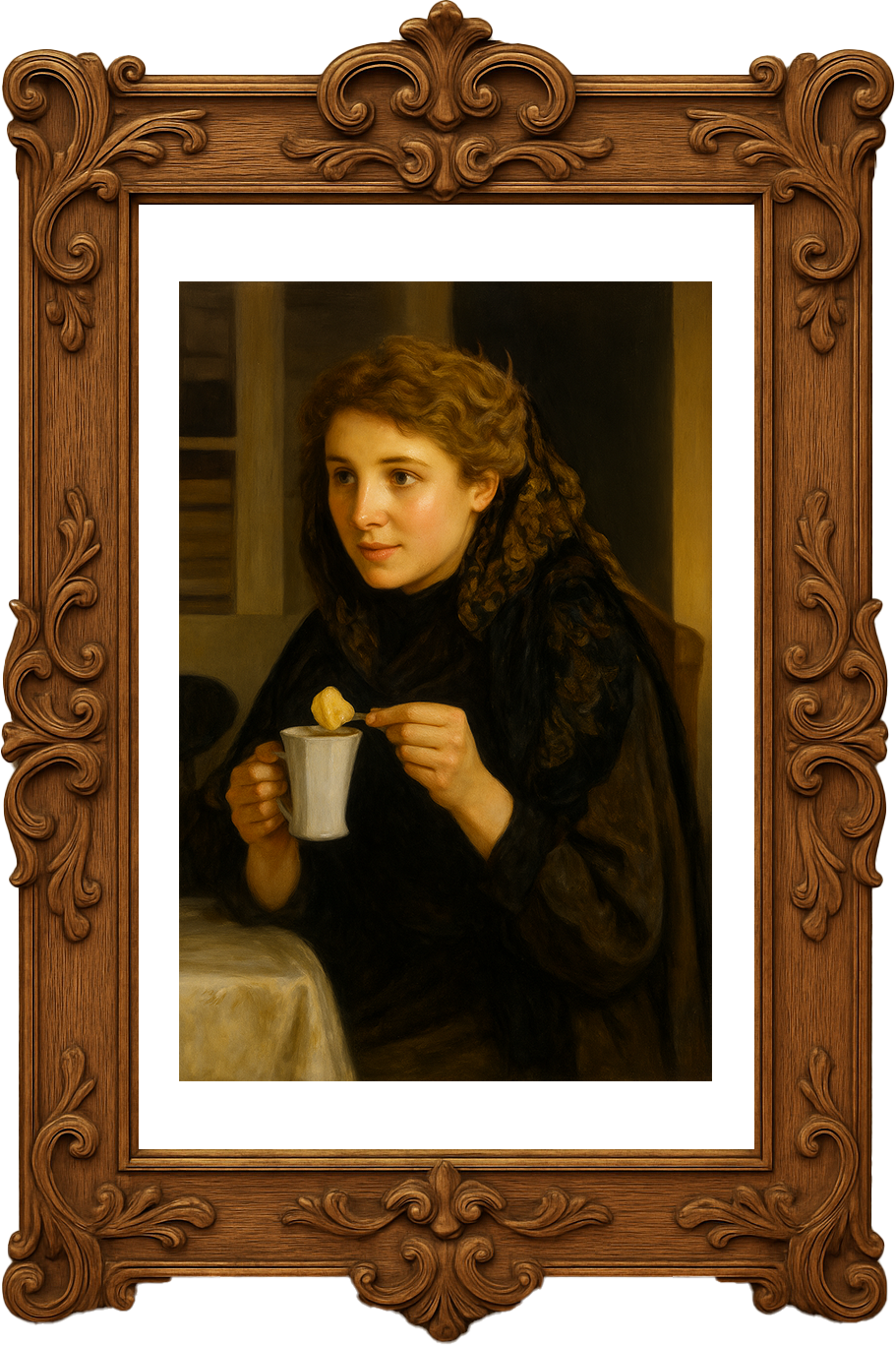
The snack packaging images of my childhood functioned much like tourist postcards. The “old” Korean snack packages often featured Western architecture, pastoral landscapes, or decorative imagery reminiscent of Baroque paintings. Eating a snack was never just about satisfying hunger—it was an act of possessing a small fragment of a distant world. As I looked at those pictures while tasting the snack, I imagined myself inside those peaceful landscapes. The connection between the imagery and the flavor made the snack feel more luxurious, more special.
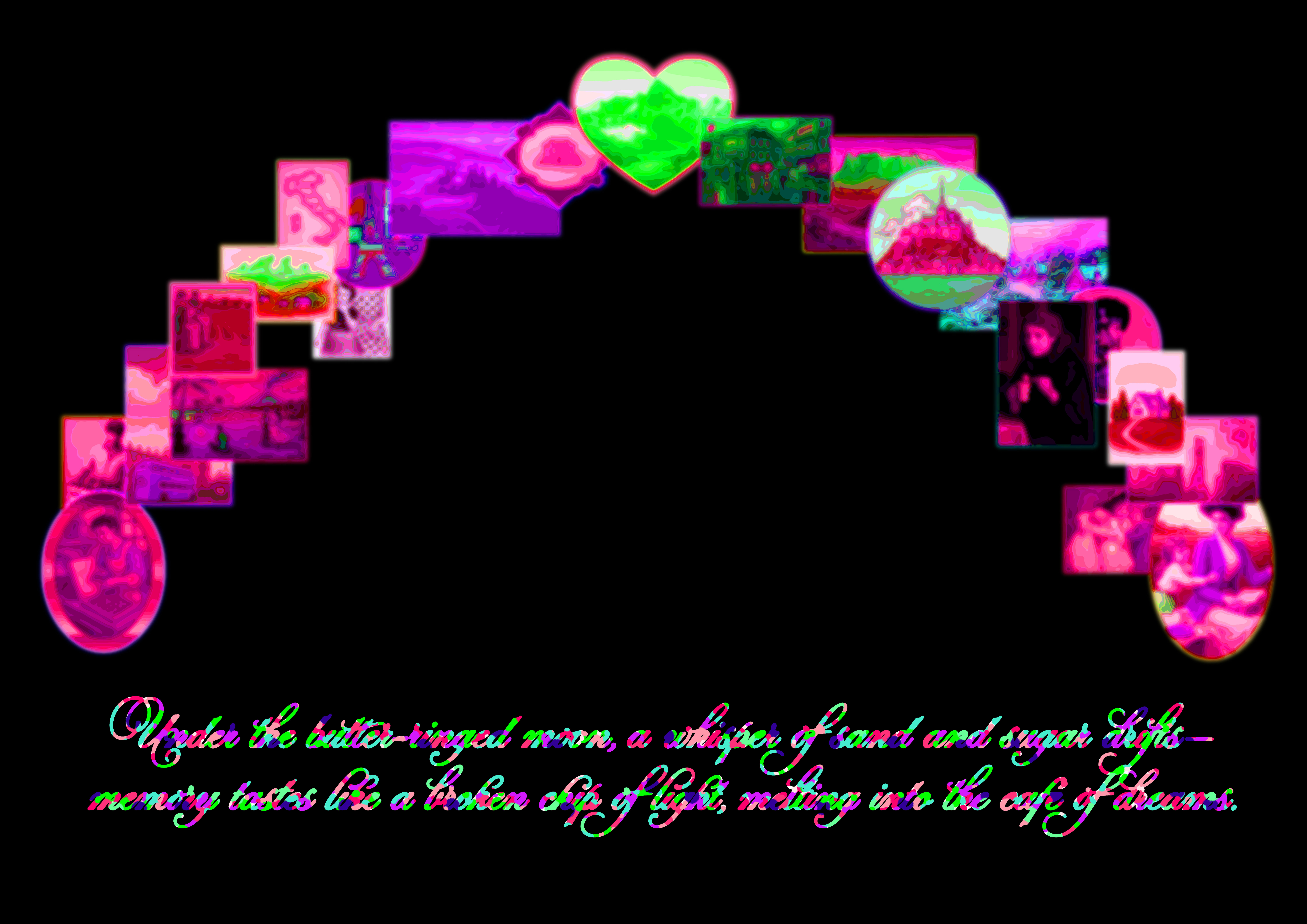
Over time, however, the flavors became familiar and the images faded. The landscapes printed on the packages—now blurred and degraded—no longer pointed to identifiable places or people, remaining instead as fragments of empty fantasy. Yet paradoxically, even as the visuals deteriorated, the impressions they carried grew sharper. This subtle tension between fading sight and intensifying emotion became the starting point of this project.
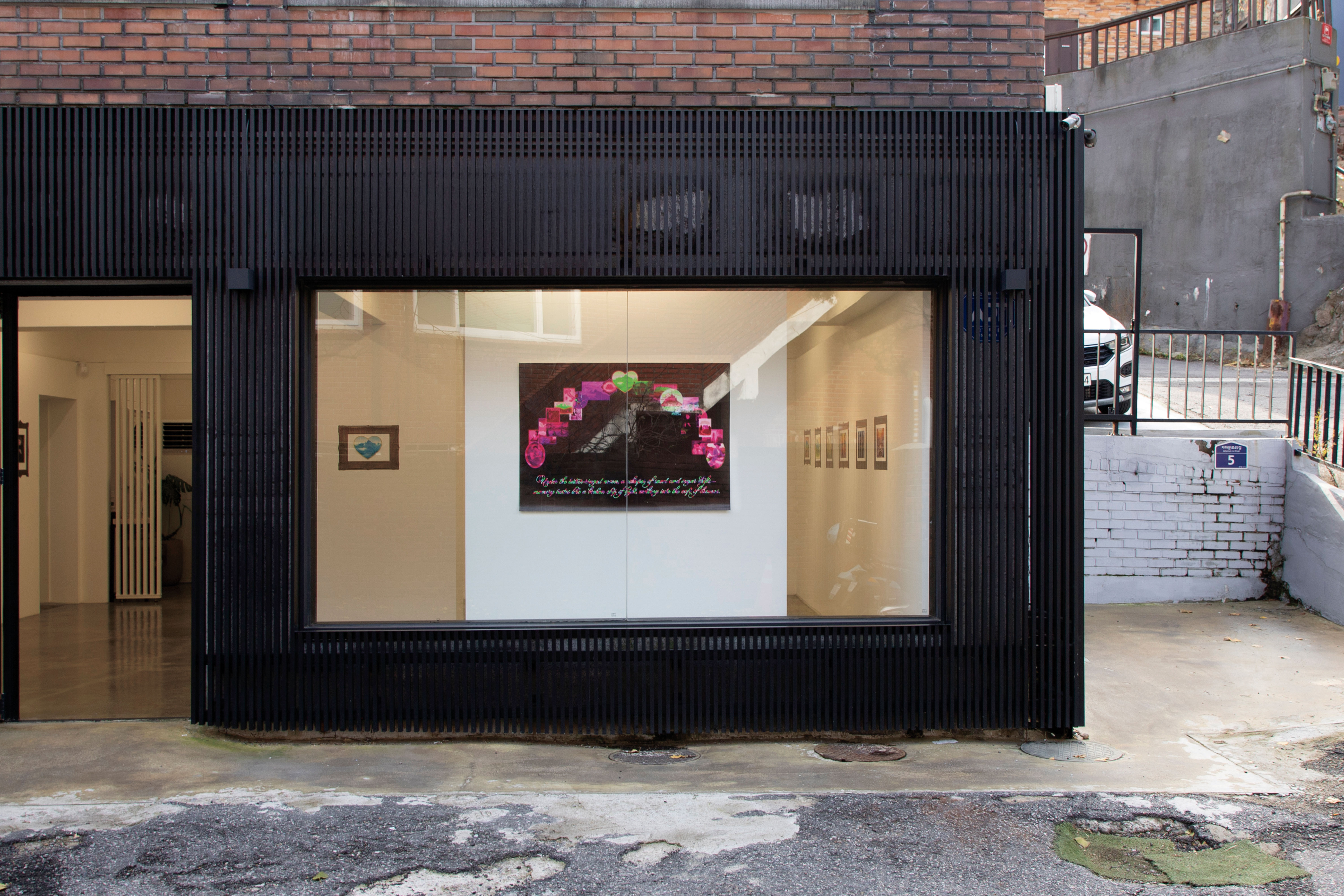
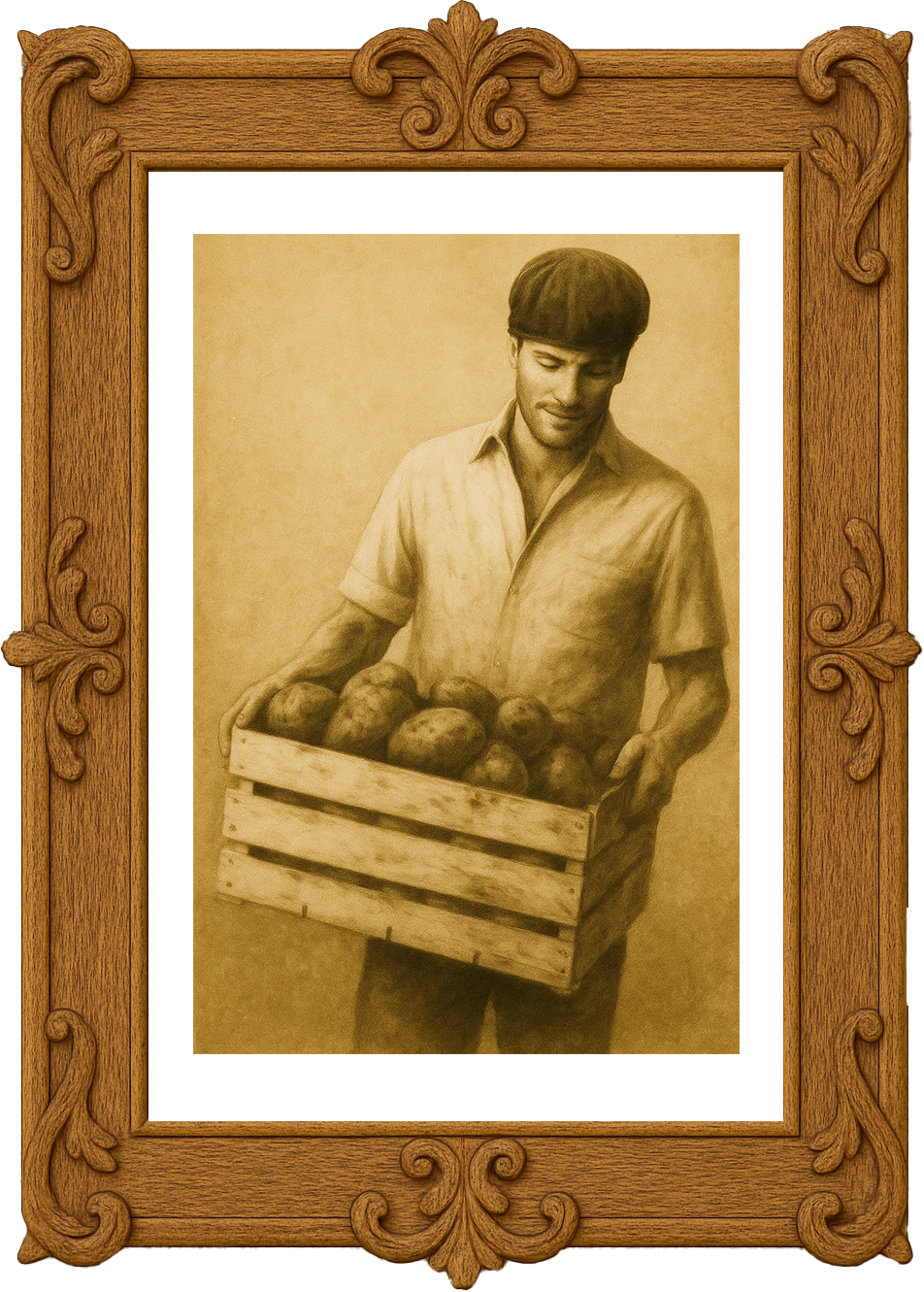
Cookie Fantasy revisits this relationship between memory and fantasy. I gather old, degraded packaging images and use image-generation AI to upscale or recreate them, attempting to “materialize” their blurred fantasies. But this reconstruction is not a simple restoration; in the act of pulling fantasy into reality through technology, the contradiction grows stronger. The images generated in the space between the real and the unreal, between memory and manipulation, between desire and consumption, prompt us to reconsider the nature of the exotic longing embedded in these snack packages.
This project also exposes the recurring desire for “elsewhere” that underlies consumer culture. The exotic landscapes on snack packaging—an everyday commercial medium—were never mere decoration; they embodied a shared social imagination. Re-materializing these images today through AI becomes an experiment that reveals how old desires reappear in contemporary forms.
Ultimately, Cookie Fantasy leaves us with a set of questions. When fantasy gains a tangible form, does it become a painting—or simply another product? And when we consume these images, what is it that we are truly yearning for?